Deck Stain vs. Paint: Which Is Better for Outdoor Decks?
People searching for deck stain vs. paint often want to protect and enhance their outdoor decks, and local contractors can help determine the best option for durability and appearance.
If you're weighing options for updating your outdoor deck, understanding the differences between deck stain and paint is an important step. Many property owners in the area find themselves exploring this topic to determine which finish best suits their needs, whether for aesthetic appeal, durability, or maintenance considerations. This page offers practical insights into the advantages and limitations of each option, helping homeowners make informed decisions. Local contractors specializing in deck staining and painting can provide personalized guidance and professional services to ensure the chosen finish enhances the deck’s appearance and longevity.
Deciding between deck stain and paint involves considering factors like weather resistance, appearance, and how much upkeep is involved. Property owners often seek out this information to choose the most suitable solution for their outdoor space, especially in climates that challenge deck materials over time. The right finish can protect the deck from the elements and improve its overall look, which is why many turn to experienced service providers for expert application. Keep reading to explore the key differences and learn how local professionals can assist in achieving a durable, attractive finish for your outdoor deck.
- Deck staining - ideal for homeowners seeking to enhance wood grain appearance and add a protective layer, with local contractors applying stain to preserve the natural look.
- Deck painting - suited for those wanting a bold color change or to cover imperfections, with service providers using specialized paints for durability on outdoor surfaces.
- Deck staining - often chosen for decks exposed to weathering, as local pros recommend stain types that penetrate wood and provide long-lasting protection.
- Deck painting - preferred when a smooth, uniform finish is desired, with contractors preparing surfaces thoroughly for optimal paint adhesion.
- Deck staining vs. painting - local service providers can advise on which method best suits the deck’s material, condition, and desired aesthetic.
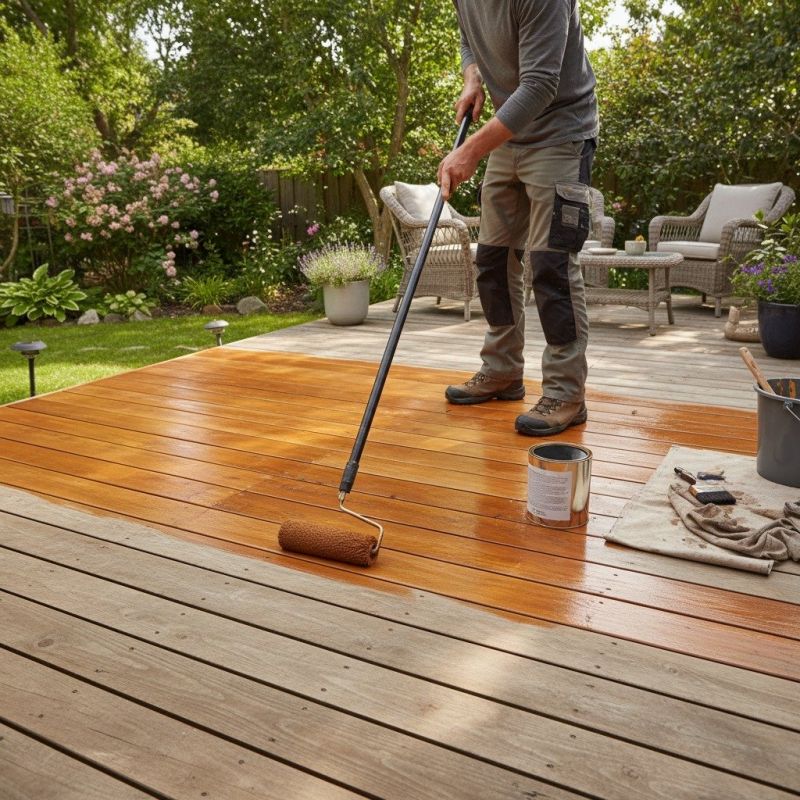

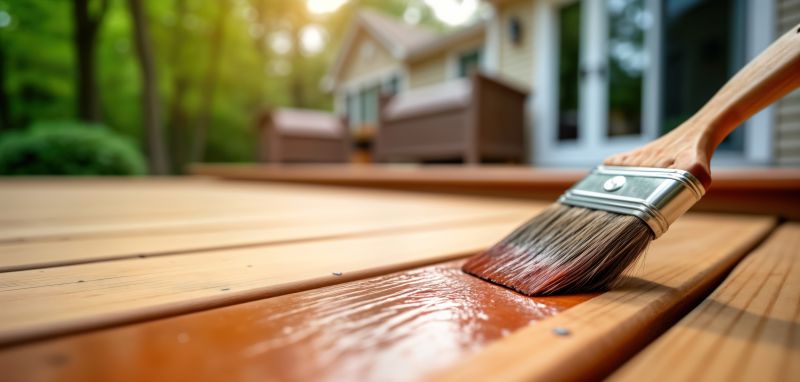
When homeowners look into deck stain vs. paint: which is better for outdoor decks? They are often trying to determine the most effective way to protect and enhance their outdoor living space. Typically, this search stems from a desire to improve the appearance of a deck, increase its durability, or extend its lifespan. Many property owners are planning to refresh an aging deck or prevent future weather-related damage. They might have a specific project in mind-such as preparing for the summer season or restoring a deck that has become worn or faded over time. Understanding the differences between staining and painting helps homeowners make informed decisions aligned with their goals for their outdoor space.
This topic relates to a range of practical concerns and future plans. For example, some homeowners want to preserve the natural look of their wood while adding a protective layer, which makes deck stain a popular choice. Others prefer a more vibrant or uniform appearance that paint can provide. The decision also involves considering how much maintenance will be required, how long the finish will last, and how each option affects the deck’s overall appearance. These considerations are especially relevant when planning a renovation or routine maintenance. Homeowners often seek guidance from local contractors who specialize in deck staining and painting to ensure the job is done correctly and to get recommendations tailored to their specific property.
The types of properties that come up in these discussions typically include residential homes, especially single-family houses with wood or composite decks. Many of these properties are in suburban neighborhoods, where outdoor decks serve as primary outdoor living spaces. Multi-family complexes with shared outdoor areas might also be involved, especially when property managers or homeowners’ associations look to maintain common decks. The age and condition of the deck influence the choice between stain and paint-older decks may need more preparation before applying a finish, and the local climate can affect how well each option holds up over time. Local service providers can assess these factors and recommend the best approach for each property, ensuring the deck’s appearance and protection are maximized.
For homeowners considering deck stain vs. paint: which is better for outdoor decks? It’s important to understand that local contractors who specialize in deck finishing can help evaluate the specific needs of each project. They can advise on whether a stain’s penetrating qualities are suitable for preserving the wood’s natural texture or if a coat of paint will provide a more uniform, colorful finish. These professionals bring experience with different types of wood, finishes, and environmental conditions, ensuring the chosen method enhances the deck’s lifespan. Connecting with the right local service provider can make a significant difference in achieving a durable, attractive outdoor space that matches the homeowner’s vision and practical needs.
Wood staining projects involve preparing and finishing outdoor wooden surfaces, sharing skills with deck staining and painting services to enhance durability and appearance.
Fence painting and staining require similar surface preparation and application techniques, making them comparable projects for local contractors experienced in outdoor wood treatments.
Exterior siding painting involves surface prep and weatherproofing that align with the skills used in deck staining and painting to protect outdoor structures.
Porch and patio finishing projects often require similar planning and surface prep, connecting them to deck stain vs. paint considerations handled by local service providers.
Outdoor furniture refinishing shares techniques such as sanding, sealing, and applying protective coatings, relevant to deck staining and painting work.
Wood deck repair and restoration involves surface prep and surface treatment skills that complement the work done in deck staining and painting projects.
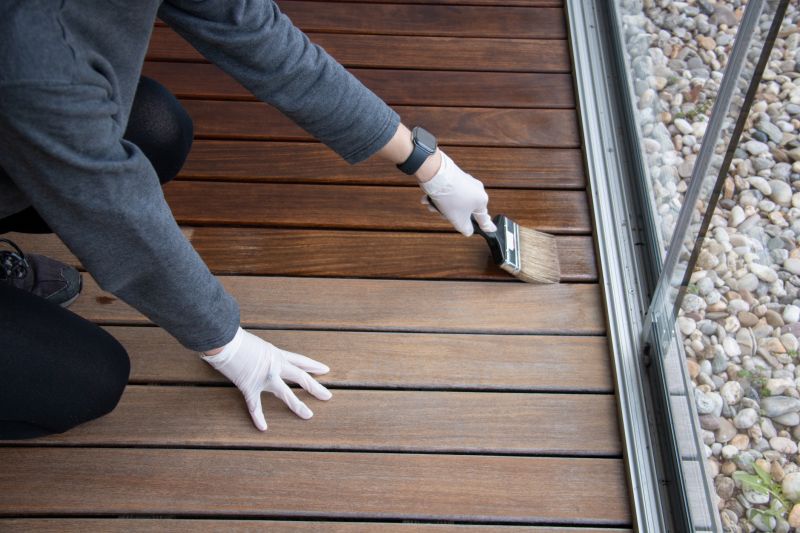
When evaluating contractors for deck staining or painting services, it’s important to consider their experience with similar projects. Homeowners should look for service providers who have a proven track record of working on outdoor decks comparable in size, material, and condition. An experienced contractor will understand the nuances of applying stain versus paint, including how each interacts with different wood types and weather conditions. This familiarity can help ensure that the chosen finish not only enhances the appearance but also provides the durability needed to withstand outdoor elements.
Clear written expectations are essential when comparing local contractors for deck staining or painting. Homeowners should seek detailed proposals that outline the scope of work, the type of products to be used, and the expected outcomes. A well-defined plan helps prevent misunderstandings and ensures that both parties are aligned on project goals. Service providers who communicate their process clearly and provide comprehensive written estimates demonstrate professionalism and transparency, making it easier for homeowners to make informed decisions about which contractor best suits their needs.
Reputation and communication are key factors in selecting a reliable service provider for deck staining or painting. Reputable local contractors often have references or reviews that can offer insights into their workmanship and professionalism. Good communication, including responsiveness and willingness to answer questions, helps build trust and confidence in the contractor’s ability to deliver quality results. Homeowners should prioritize service providers who are transparent, attentive, and willing to discuss project details thoroughly, ensuring a smooth experience from initial consultation through project completion.
Property owners often search for deck stain vs. paint: which is better for outdoor decks? when they are planning practical projects around their homes and businesses. Local pros provide Deck Staining or Painting services for everyday jobs and straightforward project options.
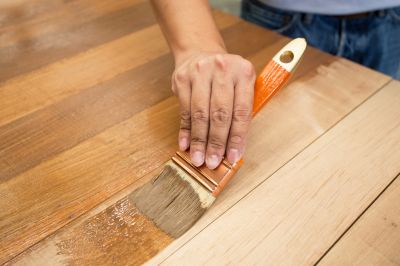
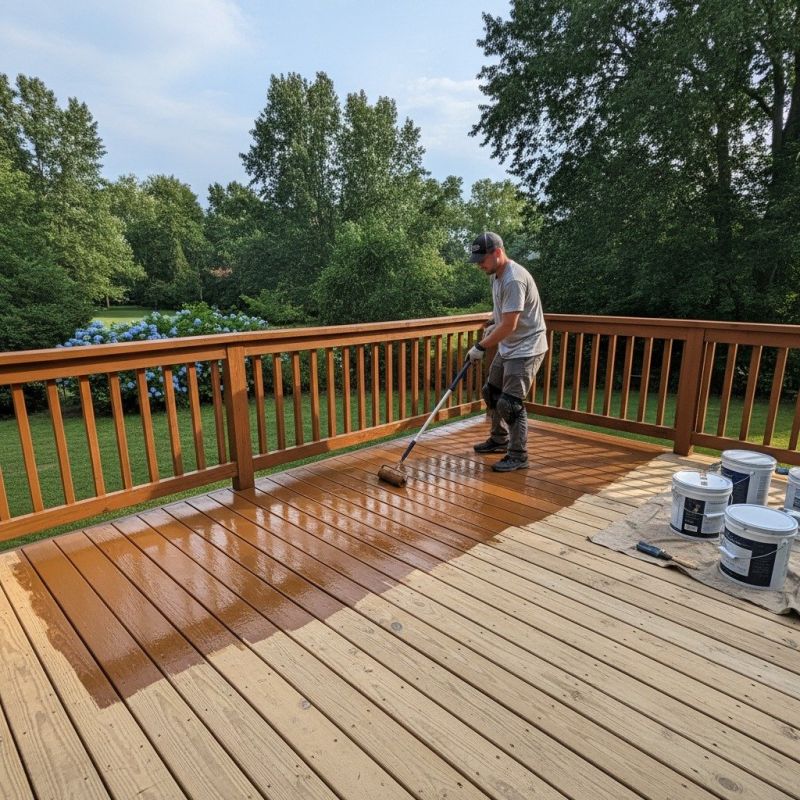
When considering deck stain versus paint for outdoor decks, property owners often seek simple, practical advice on which option will best protect and enhance their outdoor space. Many people in the area look up this topic after noticing their deck’s surface fading, peeling, or becoming difficult to clean. They want a solution that offers durability and a fresh appearance without frequent upkeep. Local contractors who specialize in deck staining and painting can help evaluate the deck’s material, condition, and exposure to weather, providing recommendations tailored to the specific needs of each property.
Choosing between staining and painting depends on factors like the desired look, maintenance preferences, and the deck’s existing condition. Property owners may consider staining if they want to preserve the natural wood grain and achieve a more transparent finish, or opt for painting if a bold color or more uniform coverage is preferred. Local service providers can handle the preparation, application, and finishing processes to ensure a long-lasting result. Connecting with experienced contractors can make the decision easier and help achieve a deck that looks great and withstands outdoor elements.
What are the main differences between deck stain and paint for outdoor decks? Deck stain penetrates the wood to enhance natural grain and offers a semi-transparent or transparent finish, while paint creates a solid color layer on the surface, providing a more uniform appearance. Local contractors can help determine which option best suits the deck's material and desired look.
Which option is more durable for outdoor decks: stain or paint? Generally, deck stain tends to be more flexible and better at resisting cracking and peeling over time, making it suitable for outdoor conditions. However, local service providers can advise on the best choice based on the deck’s exposure and wood type.
Can deck stain or paint help protect the wood from weather damage? Yes, both stain and paint provide a protective barrier against moisture, UV rays, and temperature changes. Local pros can recommend the most effective product to safeguard the deck based on its specific needs.
Is it easier to maintain a stained or painted deck? Stained decks typically require less maintenance and reapplication compared to painted decks, which may need more frequent touch-ups. Service providers can assist with proper application and maintenance tips.
Which finish offers a more natural look for outdoor decks: stain or paint? Deck stain preserves the natural appearance of the wood, highlighting its grain and texture, while paint provides a more uniform, solid color finish. Local contractors can help achieve the desired aesthetic with professional application.
Assessing durability needs - Property owners can discuss with local contractors whether a stain or paint will better withstand foot traffic and weather exposure for their outdoor decks.
Choosing aesthetic styles - Homeowners might consider how the natural wood look of stain or the solid color of paint aligns with their outdoor design preferences when planning a project.
Considering maintenance requirements - Property owners can evaluate how often they are willing to reapply stain or paint, with local service providers offering guidance on long-term upkeep.
Matching existing deck materials - Homeowners may seek advice on whether stain or paint complements the current deck surface, ensuring a cohesive outdoor appearance.
If you are thinking about deck stain vs. paint: which is better for outdoor decks? for a property, this guide is meant to help you understand this topic, the typical project types, and how different options might fit your plans.
When you are ready, you can use the quote form on this page to share a few details about your project. From there, local pros can review the basics and follow up with options that match what you have in mind.